
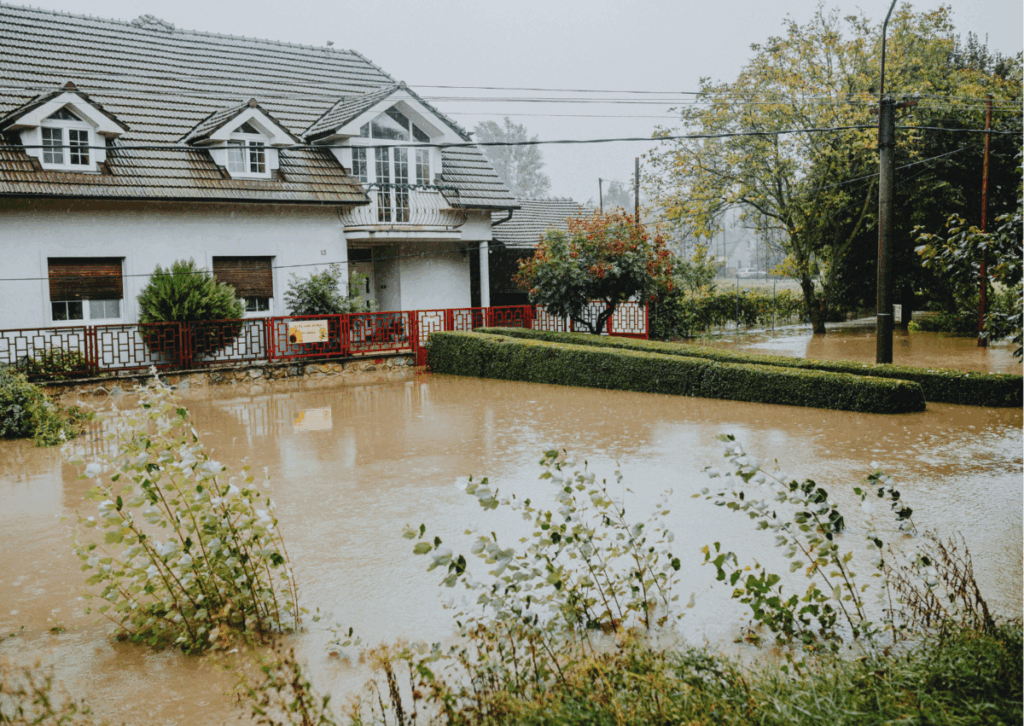
In the soft pink light of dawn, 12-year-old Amina wanders the beach of her island village, gathering shells and seaweed as she has done every morning for years. But today, the tide has edged further into the sand than ever before, puddling at the base of her grandmother’s front door. The coconut palm that once stood tall and safe is tilted now, its roots exposed. Her grandmother, once spry, sits quietly under the tree, tracing memories with her finger in the waning sunlight. “We used to walk further down,” she says. “Now the waves greet us at our door.”
This is not a lonely tale; it reflects the reality of thousands of villages facing sea-level rise and coastal degradation. In recent years, science has documented the steady expansion of warmer ocean waters and the melting of ice sheets, combining to elevate sea levels globally. These rising tides are not a distant future—they are crashing in now.
The Stakes:
- For communities like Amina’s, the risks are immediate: erosion of land, saltwater intrusion into freshwater wells, loss of traditional livelihoods (fishing, shell-gathering, small-scale agriculture).
- Consider the estimate that by mid-century, many low-lying island nations may face existential threats to habitability and culture.
- Moreover: the infrastructure built for one era is failing in another—sea walls weaken, storm surges amplify, relocation becomes inevitable.
Real-World Update:
In 2024 alone, science found that warm oceans and melting glaciers are raising seas at an accelerating pace. Meanwhile, in many coastal communities, families are already choosing between stay and fight, or relocate and lose their home. These decisions are wrenching. Many older residents refuse to leave; younger ones feel pushed to move. The connection to place is misting away.
How Your Support Makes a Difference:
At WorldsClimateChange.com, we are partnering with frontline communities in coastal zones—particularly in vulnerable regions—to build resilience and provide options. For example:
- We’re funding elevated shelters and home-reinforcement grants in island villages.
- We’re supporting mangrove restoration because mangroves act as natural buffers against waves and erosion, protect biodiversity, and provide fisheries habitat.
- We help run early-warning systems for storm surges and flood events, so that when the ocean pushes in, households know in time to act.
Every donation matters. A modest gift might pay for seedlings in the mangrove belt; a larger one might fund community relocation planning.
Why Now, More Than Ever:
Because the tides are rising and the clock is ticking. The longer we delay, the more damage done, the higher the cost. And the harder for families like Amina’s to recover. But also: every dollar you give now goes farther—because early adaptation is cheaper than repair after destruction.
Action You Can Take Immediately:
- Donate – Your support sends resources directly to communities already fighting the ocean’s advance.
- Share – Spread this story among your network. Human stories build empathy, and empathy builds action.
- Advocate – Encourage your government, local companies, and civic groups to prioritize climate resilience in coastal zones.
Closing:
When the ocean rises, it doesn’t ask for permission—it just does. But we can act. Together. With your help, families like Amina’s don’t lose their home, their culture, or their resilience. Join WorldsClimateChange.com, stand with them—and be part of creating hope before the tide claims more than land.